Ameen T.
Associate Roofer

Learn the key signs to look for, compare costs, understand roof lifespan, and discover how professional inspections help you make the right long-term decision for your home.
Roof repairs focus on correcting isolated issues without replacing the entire roofing system. This could include fixing a leak, replacing damaged shingles, repairing flashing, or sealing vulnerable areas. A roof replacement, on the other hand, involves removing part or all of the existing roofing materials and installing an entirely new roofing system. While repairs solve specific problems, a replacement restores the roof’s overall performance, durability, and expected lifespan.
Many homeowners assume that a leak automatically means they need a new roof, but that isn’t always the case. Likewise, repeatedly repairing an aging roof may only postpone a much larger problem. The key is identifying whether the issue is isolated or whether the roof is beginning to fail as a whole.
“A roof isn’t replaced because it’s old—it should be replaced when it can no longer reliably protect your home.”
Roof repair is often the most practical option when the damage is limited to one area and the rest of the roofing system remains in good condition. Minor issues such as a few missing shingles after a windstorm, damaged flashing around a chimney, or a small leak caused by a puncture can often be repaired without replacing the entire roof.
If your roof is relatively new and has been properly maintained, repairing the affected section usually restores its performance while keeping costs significantly lower than a full replacement. Addressing these issues early also helps prevent moisture from spreading into the roof decking, insulation, and interior of your home, where repairs become much more expensive.
Yes, in many cases. Besides the examples in the section above, a lot of roof damage stays local: a cracked seal around a plumbing vent, failed flashing around a skylight, or a worn valley where two slopes meet. Each of those can usually be repaired on its own, by replacing the damaged materials and, where needed, the underlayment beneath them, without touching the rest of the roof. On a flat roof, an open seam or a failed detail around a drain can be patched the same way.
A partial repair only works when the rest of the roof is still sound. On an aging roof it often fails: new shingles rarely match weathered ones in colour or profile, old shingles around the repair can crack when they are lifted to tie the new ones in, and a roof that is wearing out evenly tends to start leaking somewhere else next. If the roof deck under the damaged area has gone soft, or the signs in the next section show up across most of the roof, a section repair only buys time, and a full roof replacement is usually the better spend.
Sometimes repairs simply aren’t enough. If your roof has widespread deterioration, multiple recurring leaks, extensive storm damage, or structural issues, replacing the roof is often the more practical long-term investment.
Visible signs such as curling shingles, cracked roofing materials, widespread granule loss, sagging roof sections, or water damage across multiple areas usually indicate that the roofing system has reached the end of its useful life. Continuing to repair these issues individually often results in higher maintenance costs without providing lasting protection.
A roof replacement also gives contractors the opportunity to inspect and replace damaged underlayment, roof decking, flashing, and ventilation components, ensuring the entire roofing system performs as intended instead of only addressing the visible symptoms.
“Small roofing problems rarely stay small. Early repairs are almost always less expensive than delayed ones.”
One of the biggest factors in deciding between repair and replacement is the age of your existing roof. Every roofing material has an expected lifespan, and once that lifespan is reached, repairs become less effective at extending its performance.
Most asphalt shingle roofs typically last between 20 and 30 years depending on installation quality, ventilation, weather exposure, and maintenance. Metal roofs often provide 40 to 70 years of service, while cedar roofing commonly lasts 30 to 40 years with proper care. Flat roofing systems such as EPDM and TPO generally perform well for 20 to 35 years.
The roofing material you see from outside is only one component of a much larger system. Beneath the shingles or roofing membrane are underlayments, flashing, roof decking, ventilation systems, insulation, and structural supports that all work together to protect your home.
Water can travel considerable distances before becoming visible inside the house, meaning the source of a leak is often nowhere near where water eventually appears. What initially looks like a simple repair may actually indicate hidden moisture damage beneath the roofing surface.
Professional roof inspections help uncover these hidden issues before they develop into costly structural problems.
“The visible problem is often only a symptom. The real issue may be hidden beneath the surface.”
While roof repairs generally cost less upfront, they aren’t always the most economical solution over time. If you’re repeatedly repairing different sections of an aging roof, those repair costs can quickly add up without significantly extending the roof’s overall lifespan.
A new roof requires a larger initial investment, but it often reduces ongoing maintenance costs, improves energy efficiency, increases curb appeal, and adds value to your property. For homeowners planning to stay in their homes for many years, replacement often provides greater peace of mind and better overall value.
Rather than comparing only today’s costs, it’s important to consider how much additional life each option is likely to provide.
Storms can dramatically change the condition of a roof within minutes. High winds can lift shingles, hail can fracture roofing materials, and heavy rain can expose weaknesses that previously went unnoticed.
Even if damage isn’t immediately visible from the ground, the roofing system may have sustained hidden issues that eventually lead to leaks and deterioration. Scheduling a professional roof inspection after severe weather helps determine whether repairs will be sufficient or whether more extensive work is needed before problems worsen.
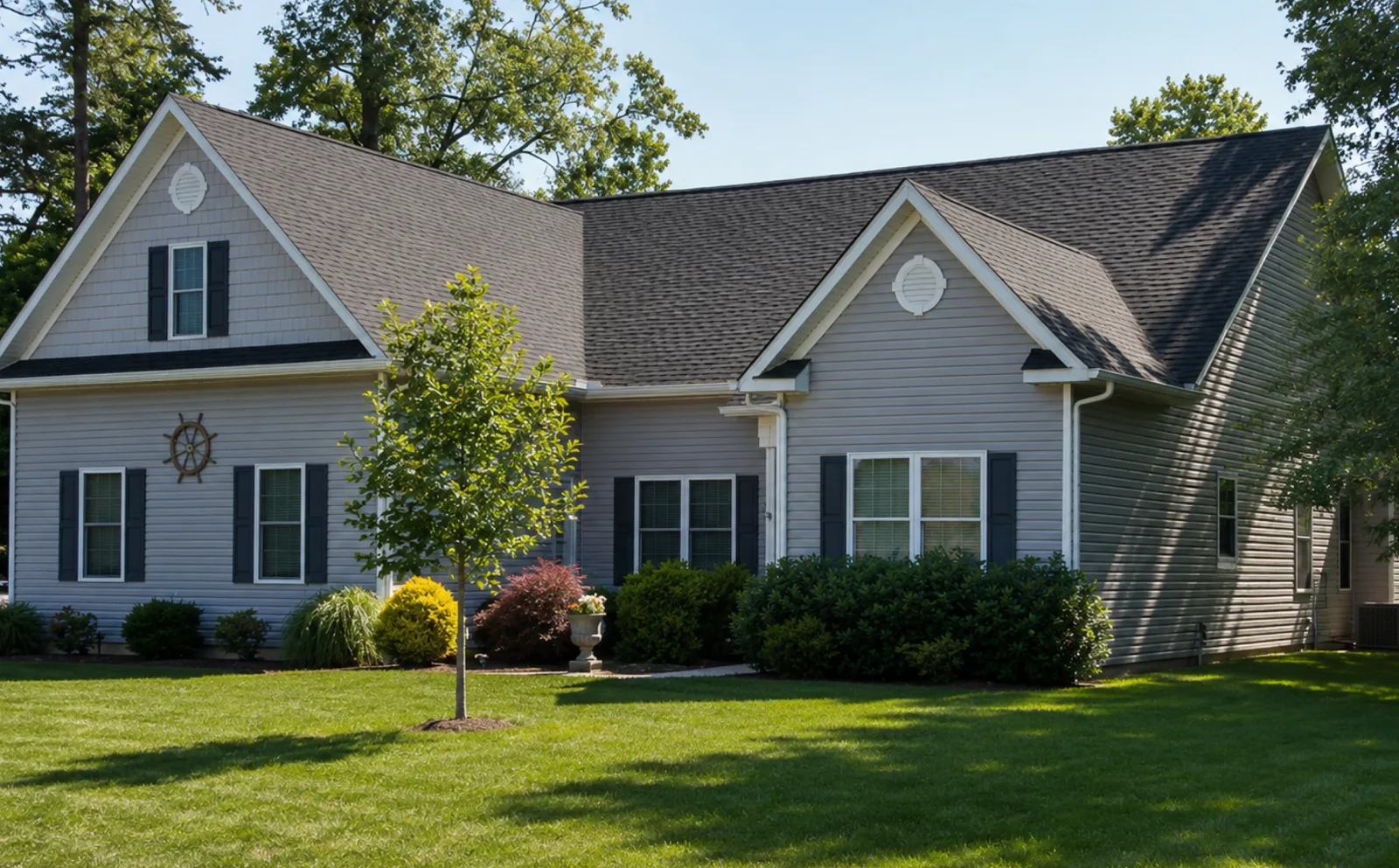
Determining whether a roof needs repair or replacement shouldn’t rely on guesswork. Experienced roofing professionals evaluate far more than what’s visible from the ground. They inspect the roofing materials, flashing, ventilation, roof decking, drainage systems, and structural integrity before making recommendations.
A comprehensive inspection provides homeowners with a clear understanding of the roof’s current condition, its remaining lifespan, and the most cost-effective solution based on actual findings rather than assumptions.
Choosing between roof repair and roof replacement isn’t simply about finding the least expensive option—it’s about selecting the solution that offers the best long-term protection for your home. Minor, localized damage on a relatively new roof can often be repaired quickly and effectively, while widespread deterioration, recurring leaks, or an aging roof nearing the end of its lifespan usually make replacement the smarter investment.
A professional inspection provides the clarity needed to make a confident decision. By addressing roofing problems early and choosing the right solution for your home’s condition, you can protect your investment, avoid larger structural repairs, and ensure your roof continues performing reliably for many years to come.
Associate Roofer