
Calvin H.
Senior Project Manager

Wondering how long your roof should last in Metro Vancouver and the Lower Mainland? Learn the average lifespan of different roofing materials, what affects their durability, and how proper maintenance can help you get the most out of your roof.
The Lower Mainland is known for its mild climate, but homeowners know that the region’s frequent rainfall, damp winters, moss growth, and occasional windstorms can take a toll on roofing systems. While every roof has an expected lifespan, its actual longevity depends on much more than age alone. The quality of installation, the roofing material, ventilation, maintenance, and exposure to the elements all play a significant role in determining how long a roof continues to protect your home.
If you’re wondering whether your roof is nearing the end of its life or simply planning for the future, understanding what affects roof longevity can help you make informed decisions before small issues become expensive problems.
“A well-installed roof doesn’t simply survive the weather—it performs through it for decades.”
Unlike regions with extreme heat or heavy snowfall, the Lower Mainland experiences prolonged periods of rain, high humidity, and seasonal storms. Moisture is the biggest challenge for roofing systems in this region. Over time, constant exposure to damp conditions encourages moss, algae, and lichen growth, which can trap moisture against roofing materials and accelerate deterioration.
Frequent freeze-thaw cycles during winter also contribute to gradual wear, while strong winds can loosen shingles or flashing. These environmental factors mean that roofs in the Lower Mainland often require more regular maintenance than roofs in drier climates.
Every roofing material has a different expected lifespan. Asphalt shingles, the most common roofing choice in British Columbia, generally last between 20 and 30 years depending on their quality and maintenance. Architectural shingles typically outlast basic three-tab shingles due to their thicker construction.
Metal roofing offers one of the longest lifespans, often lasting 40 to 70 years with minimal maintenance. Cedar shake and cedar shingle roofs usually perform well for 30 to 40 years when properly maintained, although moisture and moss must be carefully managed. Flat roofing systems such as EPDM and TPO generally provide between 20 and 35 years of reliable performance depending on installation quality and drainage.
No matter the material, regular inspections and preventative maintenance can significantly extend its service life.
“The lifespan of a roof is determined as much by maintenance as by the material itself.”
Even the highest-quality roofing materials can fail prematurely if they aren’t installed correctly. Improper flashing, inadequate ventilation, poor fastening techniques, or shortcuts during installation can reduce a roof’s lifespan by years.
Professional installation ensures every component of the roofing system works together—from underlayment and flashing to ventilation and drainage. A properly installed roof performs better during storms, sheds water more effectively, and experiences fewer long-term issues.
Investing in quality workmanship from the beginning often saves homeowners thousands in future repairs.
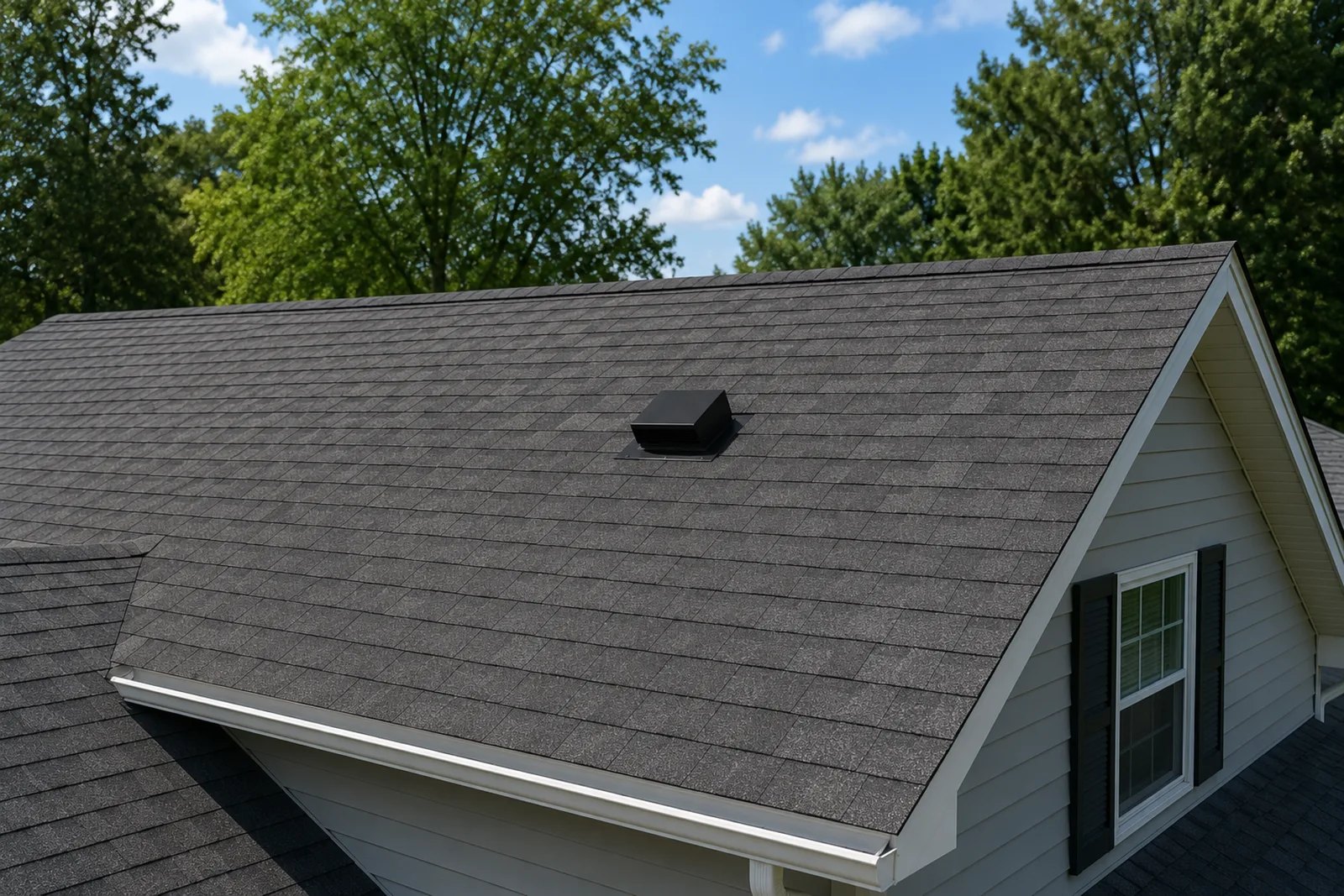
Many homeowners don’t realize that what happens inside the attic directly affects the roof above it. Proper ventilation regulates attic temperature and moisture levels throughout the year. Without adequate airflow, heat and moisture become trapped beneath the roof, accelerating the aging process of shingles, wood decking, and insulation.
Poor ventilation can also increase condensation during colder months, leading to hidden moisture damage that shortens the roof’s lifespan. Balanced intake and exhaust ventilation helps roofing materials perform as intended while improving your home’s overall energy efficiency.
Roofs don’t suddenly fail overnight. Most major roofing problems begin as small maintenance issues that are left unresolved. Clearing moss, cleaning gutters, replacing damaged shingles, resealing flashing, and inspecting roof penetrations all contribute to extending the life of a roofing system.
Routine maintenance also allows roofing professionals to identify minor concerns before they develop into leaks or structural damage. For homes in the Lower Mainland, annual inspections—especially after winter or major storms—can make a significant difference.
“A roof that’s maintained regularly often lasts years longer than one that’s only repaired after problems appear.”
Age alone doesn’t determine whether a roof needs replacement. The overall condition of the roofing system is equally important. Curled or cracked shingles, widespread granule loss, sagging areas, recurring leaks, moss damage, and deteriorated flashing are all signs that the roof may be nearing the end of its useful life.
If repairs become increasingly frequent or affect multiple areas of the roof, replacement often becomes the more practical and cost-effective solution. A professional inspection can help determine whether repairs will extend the roof’s life or whether a replacement is the better investment.
Yes—but only under the right conditions. High-quality materials, professional installation, proper ventilation, and consistent maintenance can often extend a roof beyond its average lifespan. Conversely, neglect, poor workmanship, storm damage, and inadequate drainage can shorten it significantly.
Rather than relying solely on the roof’s age, homeowners should focus on its overall condition. Two roofs installed in the same year may perform very differently depending on how they’ve been maintained.
If your roof is more than 15 years old, has experienced recent storm damage, or shows visible signs of wear, scheduling a professional roof inspection is a smart preventative step. Even if no leaks are present, hidden issues may already be developing beneath the roofing surface.
Routine inspections provide valuable insight into the roof’s current condition, estimate its remaining lifespan, and help homeowners plan for future maintenance or replacement before emergencies arise.
“The best time to inspect a roof is before it gives you a reason to.”
A roof’s lifespan isn’t determined by age alone. In the Lower Mainland, constant exposure to rain, moisture, and seasonal weather makes regular maintenance and professional inspections especially important. While asphalt shingles typically last 20 to 30 years, metal roofs can exceed 50 years, cedar roofs often reach 30 to 40 years, and flat roofing systems such as EPDM and TPO provide decades of reliable performance when properly maintained.
Understanding the condition of your roof today helps you avoid unexpected repairs tomorrow. Whether your roof is brand new or approaching the end of its expected lifespan, proactive care and timely inspections are the best way to maximize its performance and protect your home for years to come.
Senior Project Manager