
Gary H.
Senior Roofer

Learn the eight most common warning signs that indicate your roof may need replacement, and discover when it’s time to call a roofing professional before small problems turn into costly damage.
Your roof quietly protects your home every single day, making it easy to overlook until something goes wrong. Unfortunately, roofing problems rarely appear overnight. Most roofs show subtle warning signs long before they begin leaking or failing completely. For homeowners across Vancouver, Surrey, and the Lower Mainland, recognizing these early indicators can help prevent costly repairs and unexpected emergencies.
While some roofing issues can be repaired, others suggest the roof has reached the end of its service life. Knowing the difference can save both time and money.
“Your roof almost always gives you warning before it fails—the key is knowing what to look for.”
Age is often the biggest indicator that a roof may need replacing. Most asphalt shingle roofs last between 20 and 30 years, while cedar, metal, and flat roofing systems have different expected lifespans depending on maintenance and installation quality.
Even if your roof appears to be in decent condition, older roofing materials naturally become more brittle and less effective at protecting against moisture. If your roof is approaching its expected lifespan, it’s a good idea to schedule a professional inspection before problems begin.
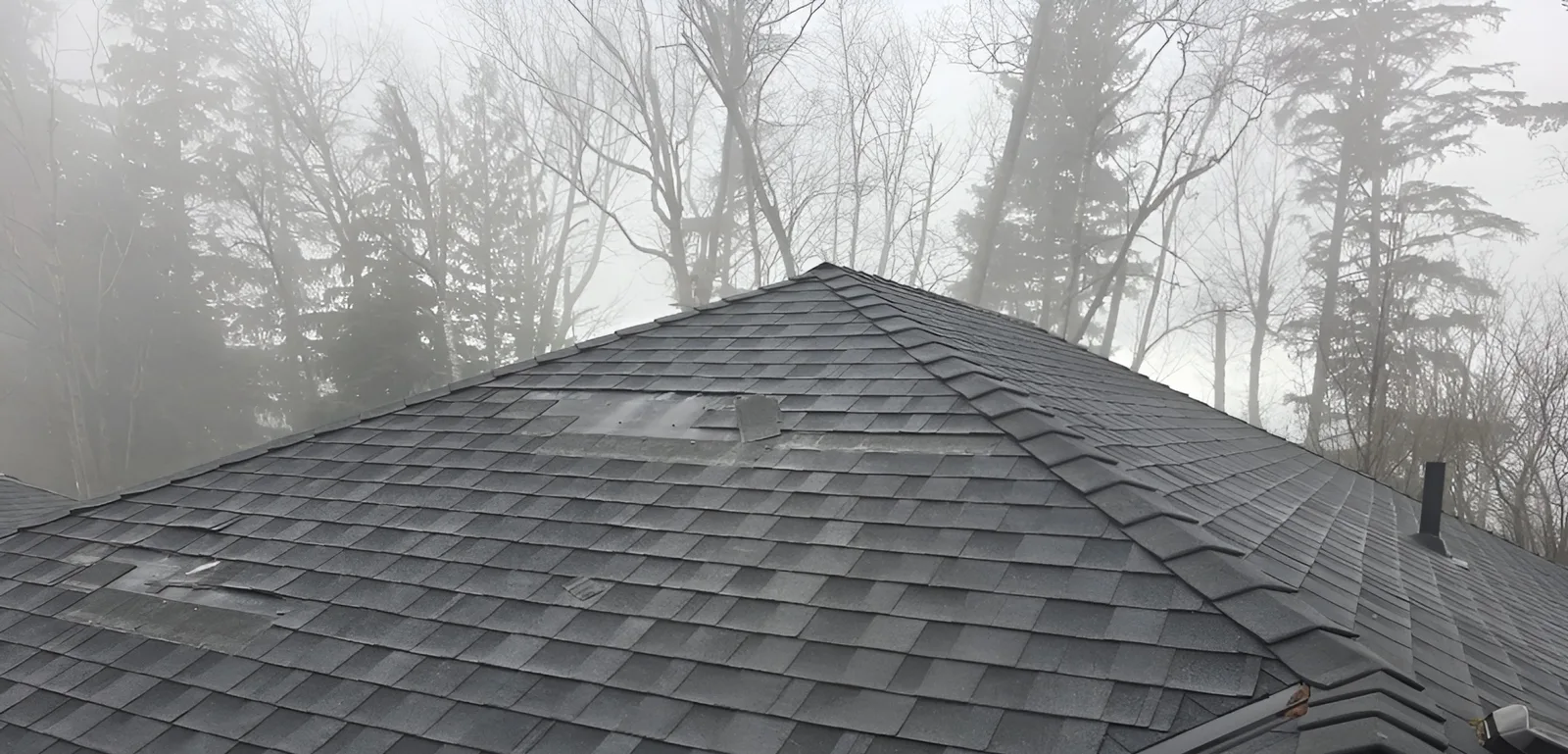
Healthy shingles should lie flat and provide complete coverage across the roof. Over time, exposure to sunlight, moisture, and changing temperatures causes shingles to curl, crack, or loosen.
Once shingles begin deteriorating across multiple areas, they lose their ability to shed water effectively. Missing shingles also expose the underlayment to moisture, increasing the risk of leaks and structural damage.
If damage is widespread rather than isolated, replacement is often the better long-term solution.
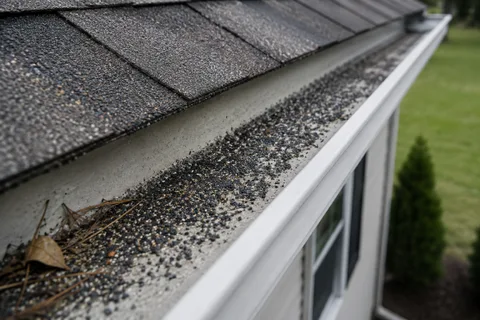
Asphalt shingles are coated with protective mineral granules that shield them from UV rays and weathering. As roofs age, these granules begin wearing away and often collect inside gutters or downspouts.
Some granule loss is normal for newer roofs, but excessive accumulation usually indicates the shingles are nearing the end of their useful life. Without this protective layer, shingles deteriorate much more quickly.
“Granule loss is often one of the earliest visible signs that asphalt shingles are wearing out.”
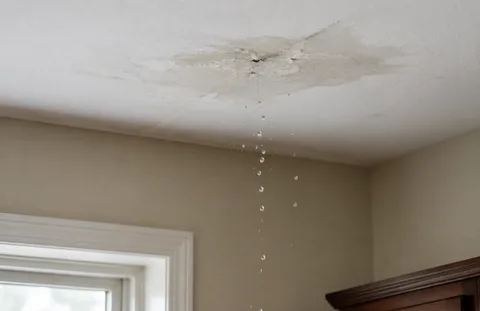
A single leak doesn’t always mean your roof needs replacing. However, recurring leaks in different areas usually suggest the roofing system is beginning to fail.
Repeated repairs may temporarily solve the visible problem, but if water continues finding new entry points, the underlying roofing materials may have deteriorated beyond simple repairs.
A professional inspection can determine whether localized repairs are still practical or whether replacement is the smarter investment.
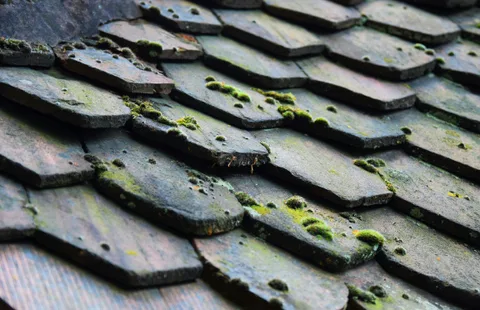
The Lower Mainland’s damp climate creates ideal conditions for moss and algae growth. While a small amount of moss may seem harmless, thick growth traps moisture against the roof surface and prevents shingles from drying properly.
Over time, this constant moisture can lift shingles, weaken roofing materials, and shorten the roof’s lifespan. Regular maintenance can help control moss growth, but excessive moss on an aging roof may indicate deeper issues beneath the surface.
A sagging roof is one of the most serious warning signs homeowners can encounter. Unlike cosmetic issues, sagging often points to structural problems involving the roof decking or supporting framework.
Water damage, prolonged moisture exposure, or weakened structural components can all contribute to sections of the roof dipping or appearing uneven. If you notice any visible sagging, it’s important to have the roof inspected as soon as possible.
“A sagging roof isn’t simply an appearance issue—it’s a structural warning that should never be ignored.”
Many homeowners don’t associate rising heating and cooling costs with their roof, but roofing systems play a significant role in maintaining indoor comfort.
As roofing materials age, ventilation problems, moisture intrusion, and deteriorated insulation can reduce energy efficiency. If your utility bills continue increasing without another obvious explanation, your roof may be contributing to the problem.
Replacing an aging roof often improves insulation performance and overall energy efficiency.
Strong winds, heavy rain, falling branches, and seasonal storms can all accelerate roof deterioration. While isolated storm damage can often be repaired, repeated storm-related issues may indicate the roof has become too vulnerable to continue performing reliably.
Older roofing systems are naturally less resistant to severe weather, making future repairs increasingly likely after every major storm.
After significant weather events, scheduling a roof inspection helps identify hidden damage before it leads to larger problems.
One of the biggest misconceptions homeowners have is that a roof only needs replacing once it begins leaking inside the home. In reality, leaks are often one of the final stages of roof deterioration.
By the time water reaches your ceiling, moisture may have already damaged insulation, roof decking, framing, and even interior finishes. Acting early gives you more options and often reduces overall repair costs.
“The best time to replace a failing roof is before it becomes an emergency.”
Your roof is constantly exposed to the elements, and over time, even the highest-quality roofing materials begin to wear. Curled shingles, recurring leaks, excessive moss, granule loss, sagging rooflines, and increasing repair frequency are all signs that your roof may be approaching the end of its lifespan.
If you’ve noticed one or more of these warning signs, a professional roof inspection can provide the clarity you need. Understanding your roof’s condition today allows you to plan ahead, avoid unexpected repairs, and protect your home with confidence for years to come.
Senior Roofer